Best BCD for Beginners vs Advanced Divers: Which Should You Choose?
Your Diving Level Determines Your BCD
Choosing a buoyancy control device isn't one-size-fits-all. The best BCD for a beginner differs fundamentally from what an advanced diver needs.
Let's explore how beginner and advanced divers should think about BCD selection.
BCDs for Beginners: Stability and Forgiveness
When learning to dive, your priority is stability and confidence. You need diving equipment that forgives mistakes and helps you stay vertical at the surface.
What Beginners Need:
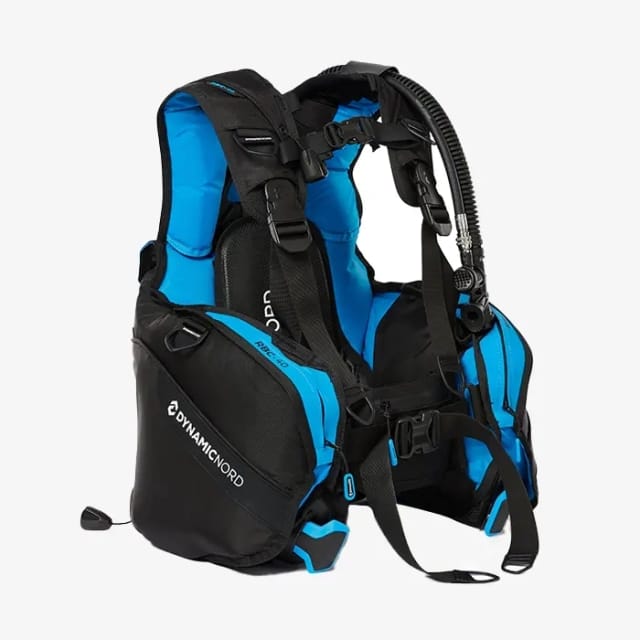
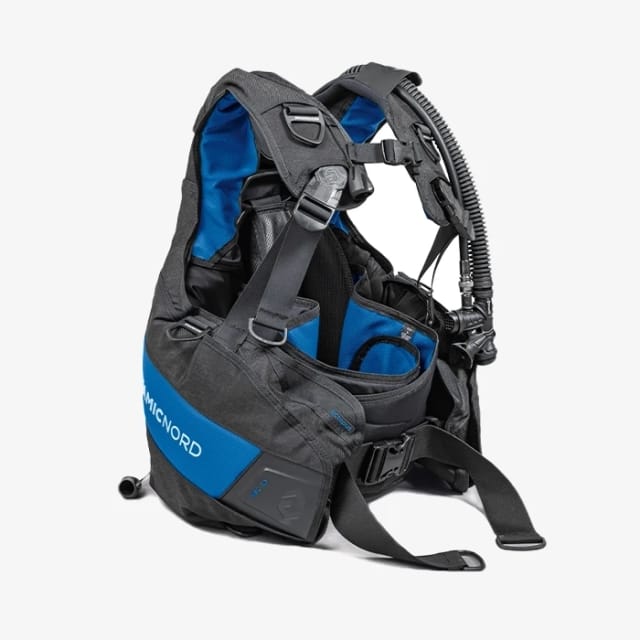
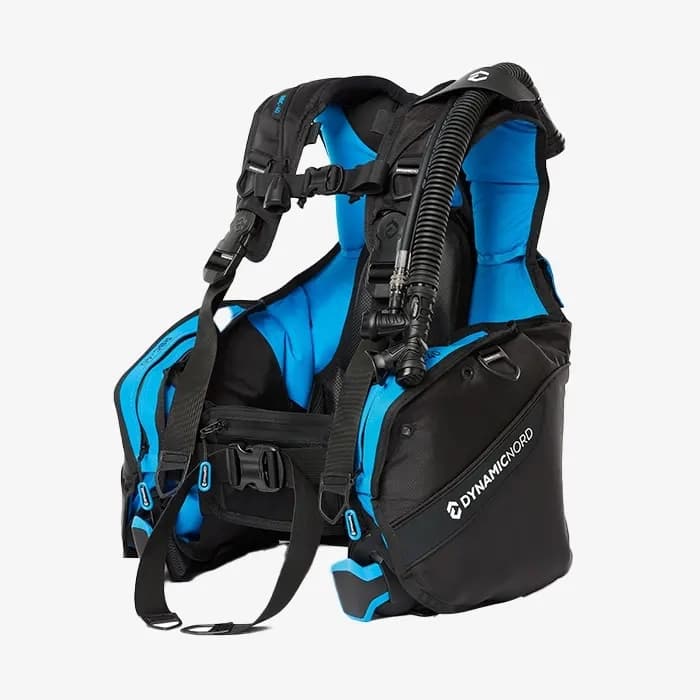
Jacket-Style Design: Jacket BCDs keep you upright at the surface effortlessly. They wrap around your torso, distributing buoyancy around your entire body. This stability is invaluable when you're still building water confidence.
Forgiving Fit: Jacket BCDs accommodate wider ranges of body types. Even imperfect fits function reasonably well.
Integrated Weight Systems: Most beginner BCDs include integrated weight pockets, eliminating the need for a separate weight belt.
Easy Inflation/Deflation: Beginner BCDs feature intuitive power inflators and dump valves. You need responsive buoyancy control that responds immediately to your inputs.
Advantages for Beginners:
Promotes vertical surface position
Stable and forgiving design
Easy to use
Good pocket space
Minimal learning curve
Disadvantages:
Slightly less streamlined underwater
Minimal horizontal trim control
Not ideal for underwater photography
Best For: New divers, recreational divers, those learning proper buoyancy techniques, students in certification courses.
BCDs for Advanced Divers: Performance and Precision
Once you've mastered basic buoyancy control, you're ready for performance-focused equipment. Advanced divers prioritize streamlining, trim control, and versatility.
What Advanced Divers Need:
Back Inflation or Backplate Systems: These designs promote horizontal body position underwater—crucial for technical diving, photography, and efficient movement through water.
Minimal Bulk: Advanced divers want sleek designs that reduce drag and improve streamlining. Less equipment resistance means better efficiency and less air consumption.
Precise Buoyancy Control: At advanced levels, you need fine-tuned buoyancy management. Back inflation systems allow micro-adjustments that jacket BCDs can't provide.
Versatile Configurations: Advanced divers often tackle varied diving profiles. They need BCDs that adapt from recreational diving to technical situations.
Superior Materials: Advanced BCDs use high-quality construction with reinforced stitching and premium bladder materials. These withstand technical diving stress better.
Advantages for Advanced Divers:
Horizontal trim and streamlined position
Precise buoyancy control
Better for photography and videography
Excellent for technical diving
Superior durability
Disadvantages:
More complex to learn
Less intuitive surface position
Higher cost
Requires understanding of trim principles
Best For: Experienced recreational divers, technical divers, underwater photographers, those doing advanced training.
The Transition Point: When to Upgrade
Most divers don't need to upgrade immediately. Signs you're ready:
Taking advanced training
Diving regularly and feel limited
Attempting underwater photography
Pursuing technical diving
Mastered buoyancy control
Key Differences in Design Philosophy
Beginner BCDs prioritize stability, forgiveness, ease of use, and integrated weight systems.
Advanced BCDs prioritize streamlining, precise control, horizontal trim, and technical capability.
Investment Perspective: How Much Does Scuba Diving Gear Cost?
BCD investment ranges significantly based on your needs. A beginner jacket BCD perfectly serves recreational divers for years. However, if you're planning to advance, it's worth investing in equipment that grows with your skills.
Making Your Decision
Choose Beginner BCDs If:
You're newly certified (within 50 dives)
You dive only warm water recreationally
You value stability and ease over performance
Budget is a primary concern
You're still developing buoyancy skills
Choose Advanced BCDs If:
You have 50+ dives and solid buoyancy control
You plan advanced training or technical diving
You dive frequently in varied conditions
You do underwater photography
You want precision control and streamlining
You're willing to invest in versatile gear for diving
The Smart Approach
Consider your actual diving trajectory. If you're genuinely committed to diving and plan to advance beyond recreational diving, investing in advanced gear from the start often makes sense. You'll use it longer and appreciate its capabilities as your skills improve.
However, if you're uncertain about your diving commitment, a quality beginner BCD is the wise choice while you confirm your interest level.
Conclusion
Beginner and advanced BCDs serve different purposes. Beginners benefit from stability, forgiveness, and simplicity. Advanced divers need performance, precision, and versatility.
Choose based on your current skills and honest assessment of your diving future. The right BCD matches where you are now and supports where you want to go.
Ready to find the perfect BCD? Explore DYNAMICNORD's range of best scuba diving accessories and BCD styles engineered for every skill level and diving style.
FAQ
Q: Can beginners use advanced BCDs? A: Not recommended. Advanced BCDs have a steeper learning curve. Master basics with beginner gear first.
Q: When should I upgrade my BCD? A: After 50+ dives with solid buoyancy control, or when pursuing advanced training or technical diving.
Q: Are jacket BCDs always better for beginners? A: Yes. Jacket style promotes vertical position and forgives fit imperfections better than alternatives.
Q: Can I use an advanced BCD in warm water recreational diving? A: Absolutely. Advanced BCDs perform perfectly in any condition, making them versatile across diving types.
Q: How long do BCDs last? A: Quality BCDs last 10-15 years with proper care, making them a long-term investment.