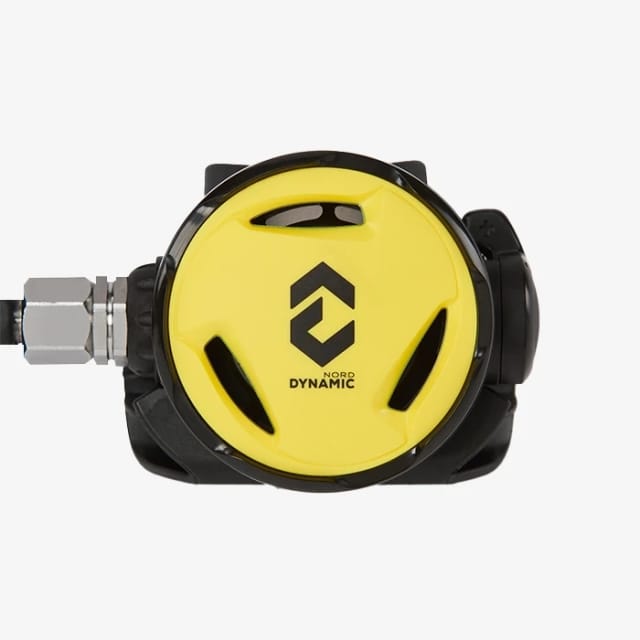
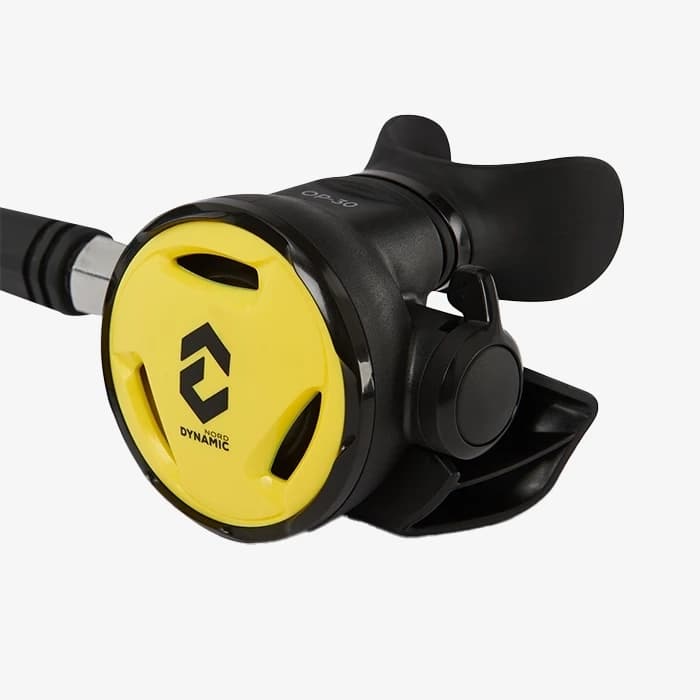
Cold Water vs Warm Water Regulators: What's Different?
Why Temperature Matters for Your Regulator
Your scuba diving regulator performs differently depending on water temperature. What works in tropical seas can fail in cold water. Understanding these differences helps you invest in the right diving equipment.
Let's explore what separates cold water from warm water regulators.
Warm Water Regulators: The Standard Design
Warm water regulators are engineered for tropical and subtropical diving where water temperatures exceed 70°F (21°C).
Design Characteristics: Warm water regulators use traditional open designs with minimal protection. Water circulates freely through the first stage mechanism, keeping costs low and maintenance simple.
Advantages:
Most affordable: Budget-friendly pricing.
Easy maintenance: Simple design requires minimal care.
Lightweight: Less bulk than sealed designs.
Works perfectly in warm water: Flawless performance in tropical conditions.
Disadvantages:
Risk of freezing in cold water: Internal mechanisms can jam or freeze solid.
Performance degrades in cold: Breathing becomes difficult as temperature drops.
Best For: Tropical vacation divers, warm water recreational diving, budget-conscious divers diving only in warm destinations.
Cold Water Regulators: The Engineered Solution
Cold water regulators are purpose-built to prevent freezing and maintain performance in extreme conditions. Water temperatures below 60°F (15°C) require this specialized equipment.
Design Characteristics: Cold water regulators seal the first stage completely, preventing water from circulating through internal components. This sealed design is the fundamental difference.
Protection Methods:
Sealed First Stage: Diaphragm or piston first stages prevent water from reaching internal mechanisms.
Thermal Insulation: Some models include insulation jackets to reduce temperature shock.
Advantages:
Freeze-proof operation: Water can't circulate through internal mechanisms.
Consistent breathing: Maintains steady air delivery in extreme cold.
Reliable and safe: Proven performance in arctic and technical diving.
Extended cold water use: Enables longer bottom times safely.
Disadvantages:
Higher cost: Sealed designs and additional engineering increase price significantly.
More complex maintenance: Requires specialized care and annual professional servicing.
Heavier: Additional sealing components add weight.
Overkill for warm water: Unnecessary expense and complexity for tropical diving.
Best For: Cold water divers, technical divers, those diving in winter conditions, drysuit divers, arctic and deep expeditions.
Key Performance Differences
Breathing Resistance: In cold water, warm water regulators can develop significantly increased breathing resistance as water inside begins to freeze. Cold water regulators maintain consistent breathing effort across all temperatures.
Reliability: Warm water regulator reliability drops dramatically below 60°F. Cold water regulators maintain consistent performance even at temperatures below freezing.
Air Delivery: Warm water regulators may hesitate or fail to deliver air smoothly in cold conditions. Cold water regulators provide instant, responsive air delivery regardless of temperature.
How Much Does This Matter?
How much does scuba diving gear cost? Scuba diving regulator packages range from $400-$1,500+. The cold water difference typically adds $200-$400 to the price.
That's a worthwhile investment if you're planning cold water dives. However, if you only dive tropical destinations, buying cold water equipment is unnecessary spending.
Making Your Regulator Choice
Choose Warm Water Regulators If:
You dive exclusively in tropical or subtropical destinations
Water temperatures stay above 70°F consistently
You're budget-conscious and don't plan cold water diving
You're a recreational diver with warm-water-only travel plans
Choose Cold Water Regulators If:
You dive in temperate or cold climates
Water temperatures drop below 60°F
You dive year-round or in winter months
You plan technical or deep diving expeditions
You use a drysuit
You're willing to invest in reliable, versatile equipment
The Reality Check
Most divers upgrading from warm water to cold water discover their warm water regulators weren't sufficient. They then purchase cold water equipment.
If there's any chance you'll expand beyond tropical vacations, cold water regulators are the smarter investment.
Conclusion
Cold water and warm water regulators differ fundamentally in design, sealing, and thermal protection. Warm water regulators work perfectly for tropical diving but risk failure in cold conditions. Cold water regulators eliminate this risk and provide reliable performance across all temperatures.
Choose based on your actual diving conditions. Invest in the right equipment for where you'll really dive.
Ready to upgrade your diving equipment? Explore DYNAMICNORD's selection of cold water and warm water scuba diving regulator packages engineered for safety and reliability.
FAQ
Q: Can I use a warm water regulator in cold water? A: Not safely. Warm water regulators risk freezing and failing in cold conditions. Cold water regulators are essential for water below 60°F.
Q: What temperature defines "cold water"? A: Generally below 60°F (15°C). Sealed regulators become important below this threshold.
Q: How much more do cold water regulators cost? A: Typically $200-$400 more than comparable warm water models.
Q: Do I need annual servicing? A: Yes. Cold water regulators require professional annual maintenance to ensure seals and components remain in working condition.
Q: Can cold water regulators be used in warm water? A: Absolutely. Cold water regulators perform perfectly in any temperature, making them versatile for varied diving.