Why Does My Snorkel Keep Filling with Water? Common Causes and Solutions
The Frustrating Problem: Water in Your Snorkel
A snorkel constantly filling with water ruins the snorkeling experience. The good news? Most issues have simple solutions.
Let's explore why this happens and how to fix it.
Reason #1: Incorrect Head Position
This is the most common cause of water-filled snorkels, and it's entirely fixable.
The Problem: When your head tilts forward or your mouth sits below the waterline, water enters the snorkel. Many new snorkelers submerge their heads too deeply, thinking they need to be fully underwater to see marine life.
The Solution: Keep your snorkel positioned so the top opening stays above water. Your head should float naturally at the surface with your forehead exposed. Only your eyes and part of your nose should be underwater.
Your eyes should be just at the waterline, not submerged. This positioning keeps the snorkel dry.
Reason #2: Wave Action and Splash
Waves and surface chop frequently overwhelm snorkel tubes, pushing water down into your breathing passage.
The Problem: Even with correct head position, waves breaking over your snorkel can force water inside. Rough conditions make this inevitable on traditional snorkels.
The Solution:
Choose a calm location: Snorkel in protected bays and shallow reef areas when conditions are rough.
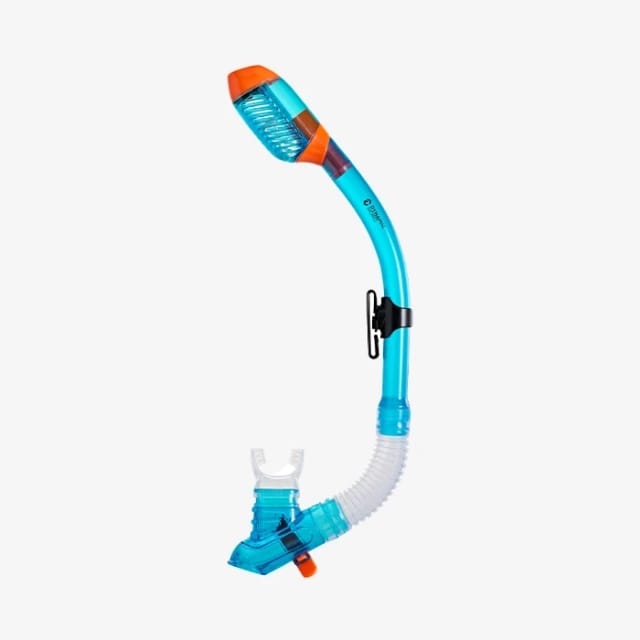
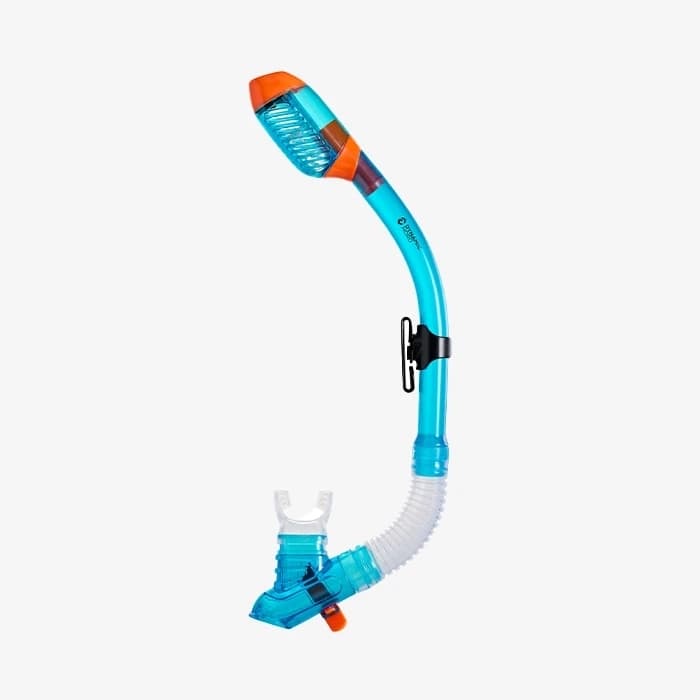
Upgrade to splash guards: Modern snorkels feature splash guards and wave deflectors that reduce water entry significantly.
Full-face masks help: Full-face snorkel masks handle wave action better than traditional mask-and-snorkel combinations.
Stay in shallower water: Deeper water typically has more surface agitation. Shallow snorkeling (under 10 feet) provides calmer conditions.
Reason #3: Poor Snorkel Fit and Positioning
Your snorkel must attach securely to your diving snorkel mask and position correctly relative to your mouth.
The Problem: Loose or poorly positioned snorkels don't seal properly around your mouth. Water leaks past the mouthpiece, entering your breathing passage.
The Solution:
Ensure secure attachment: The snorkel should connect firmly to your mask without gaps.
Position the mouthpiece correctly: The tube should enter your mouth naturally, not forced upward or downward.
Check for damage: Cracks or warping in the snorkel tube allow water intrusion. Replace damaged equipment.
Verify mouthpiece comfort: The mouthpiece should feel natural in your mouth. If it's uncomfortable, water will enter around the seal.
Reason #4: Breathing Technique Mistakes
How you breathe significantly impacts water intake.
The Problem: Rapid breathing or breathing in through your nose causes water to enter the snorkel. Some snorkelers panic when they feel slight moisture, causing hyperventilation that pulls water inside.
The Solution:
Breathe slowly and calmly: Deep, controlled breaths prevent water from entering your snorkel.
Breathe through your mouth only: Never attempt to breathe through your nose. This is a critical snorkeling equipment rule.
Maintain relaxed breathing: Panic or anxiety causes rapid breathing that disrupts proper snorkel function. Stay calm and breathe naturally.
Practice before deepening: Master snorkeling technique in shallow water before venturing to deeper areas.
Reason #5: Defective or Poor Quality Equipment
Sometimes the problem isn't technique—it's your gear.
The Problem: Budget snorkeling equipment often features poor valve design or inadequate splash protection. Some cheap snorkels allow water to trickle in constantly.
The Solution:
Invest in quality gear for diving: Better snorkeling equipment features improved water management.
Look for dual-valve systems: Full-face masks should have separate inhale and exhale channels preventing water backup.
Read reviews: Check user feedback before purchasing. Reliable products receive consistent positive reviews.
Test before committing: When possible, test snorkel equipment before buying.
How to Practice Holding Breath for Diving
While not directly related, improving your breath-holding capacity helps when water temporarily enters your snorkel. Controlled breath-holding practice:
Reduces panic when small amounts of water enter
Builds confidence in underwater situations
Improves overall diving comfort
Never hold your breath while diving or snorkeling—always breathe continuously.
Conclusion
Water-filled snorkels usually result from head position, technique, or equipment issues. Most problems have simple solutions.
Start by adjusting your head position and breathing technique. If problems persist, upgrade to quality snorkeling equipment with splash guards or consider a full-face snorkel mask designed specifically to minimize water intrusion.
The right approach transforms snorkeling from frustrating to enjoyable.
Ready to upgrade your snorkeling experience? Explore DYNAMICNORD's premium snorkeling equipment and diving snorkel masks designed to keep water out and enjoyment in.
FAQ
Q: Is water in my snorkel normal? A: Small amounts occasionally, yes. Constant water entry indicates a technique or equipment problem.
Q: How do I clear water from my snorkel? A: Blow out forcefully through your mouth to expel water. Practice this technique in shallow water first.
Q: Are full-face snorkel masks better? A: For minimizing water intrusion, yes. However, proper technique with traditional masks works well for most snorkelers.
Q: Can I prevent water entry entirely? A: Almost entirely with correct technique and quality equipment. Perfect prevention isn't always possible in rough conditions.
Q: Should I dive deeper to avoid surface waves? A: No. Snorkels aren't designed for deep diving. Stay at the surface and use proper head positioning instead.