How to Choose the Right Wetsuit: A Practical Guide
Why Wetsuit Selection Matters?
Choosing the right wetsuit determines whether diving in cold water is enjoyable or miserable. A poorly selected suit leaves you shivering, while the perfect wetsuit keeps you warm and comfortable for extended periods.
The key is understanding how thickness, style, and fit work together to create the ideal thermal protection for your diving conditions.
Step 1: Determine Your Water Temperature
Before anything else, identify the water temperature where you'll be diving most frequently.
Tropical Water (75°F+): Water temperature this warm requires minimal thermal protection. A 1-3mm wetsuit or even a rash guard provides adequate coverage. Focus on comfort and flexibility rather than warmth.
Temperate Water (60-75°F): This is the sweet spot for most recreational divers. A 3-5mm wetsuit balances thermal protection with mobility. You'll be comfortable during extended sessions without excessive bulk.
Cold Water (45-60°F): Cold water demands serious thermal protection. A 5-7mm suit becomes essential. Consider thermal linings and sealed seams to maximize warmth retention.
Action Step: Check your primary diving location's average water temperature. This single factor determines your thickness requirement.
Step 2: Choose Your Wetsuit Style
Different styles serve different purposes. Select based on your diving profile and climate.
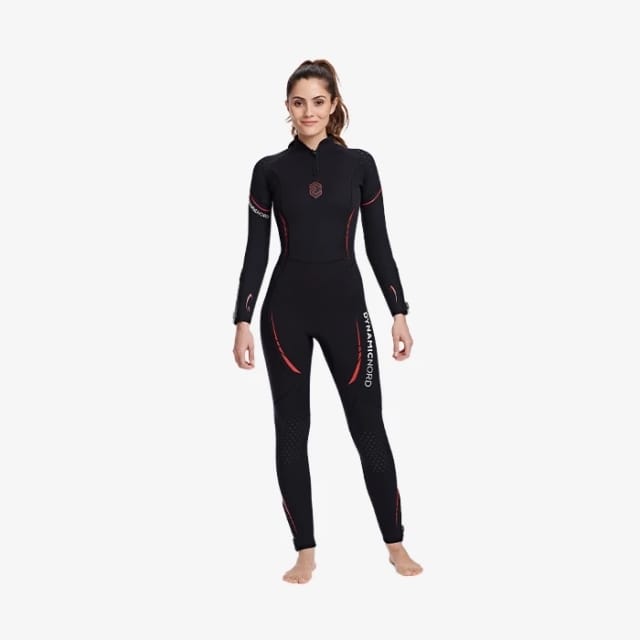
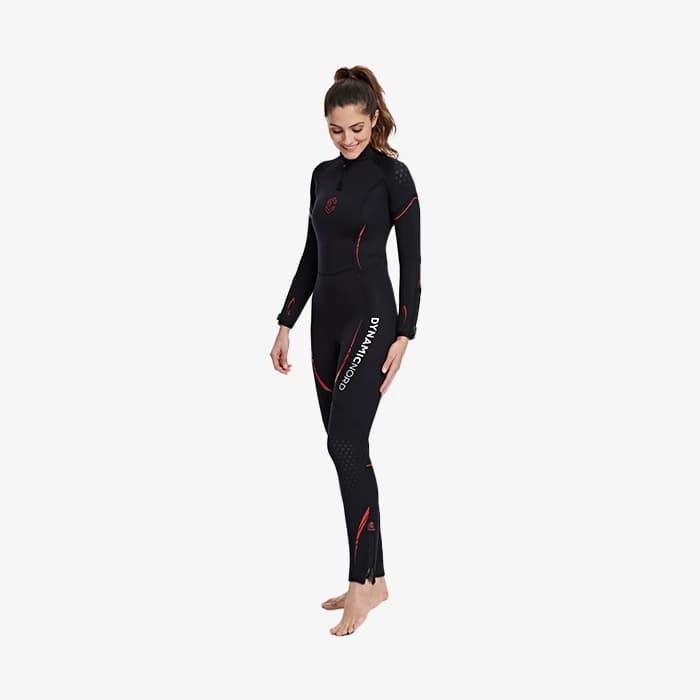
Fullsuit: Maximum Protection Covers arms, legs, torso, and includes hood attachment options. The gold standard for serious cold water diving.
Best For: Extended cold water dives, technical diving, winter diving. Advantage: Complete coverage and thermal retention. Disadvantage: Hardest to put on and remove.
Shorty Wetsuit: The Hybrid Short sleeves and legs with full torso coverage. Ideal for transitional seasons when you need some warmth but want arm and leg mobility.
Best For: Fall and spring diving, warm-water diving with some thermal needs, divers prioritizing mobility. Advantage: Easy entry/exit, arm and leg freedom. Disadvantage: Less core warmth than fullsuits.
Step 3: Understand Thickness Ratings
Wetsuit thickness is expressed in millimeters. You'll see single numbers (5mm) or dual ratings (5/4).
Single Number (5mm): Uniform thickness throughout the suit.
Dual Ratings (5/4): First number is torso thickness, second is extremities. Example: 5/4 means 5mm on torso, 4mm on arms and legs.
Understanding the Impact:
Each millimeter of neoprene adds approximately 1-2°C of thermal protection
Thicker suits provide more warmth but restrict movement
Torso thickness matters most for thermal retention
Extremity thickness affects dexterity and comfort
Key Principle: For every 30 feet of depth, neoprene compresses approximately 30%, reducing both warmth and buoyancy.
Step 4: Fit Is Everything
This is non-negotiable. A perfectly warm suit with poor fit ruins every dive.
Testing Proper Fit:
Wear your actual diving suit: Test wetsuits while wearing the undersuits or layers you'll use.
Check for gaps: No gaps should exist at the neck, wrists, or ankles where water can flush in.
Test movement: Perform arm circles, squats, and twists. You should have full range of motion without excessive pulling.
Feel for pressure points: The suit should feel snug without painful constriction anywhere.
Verify comfort: If the suit feels uncomfortable in the shop, it won't improve underwater.
Red Flags:
Bunching or excessive fabric at joints
Tight shoulders restricting movement
Gaps where water will circulate
Discomfort in the torso or neck area
Step 5: Consider Advanced Features
Beyond basic thickness and style, modern wetsuits include features that enhance performance.
Thermal Linings: Fleece or graphene-lined interiors add warmth equivalent to an extra 1-2mm without bulk. Excellent for extending comfort in marginal conditions.
Sealed Seams: Glued and blind-stitched seams prevent water circulation better than flatlock stitching. Essential for cold water diving.
Entry Systems: Back zips are easiest, chest zips provide better sealing, and zipperless designs offer maximum warmth but difficult entry.
Conclusion
Choosing the right wetsuit requires honest assessment of your diving conditions and commitment to proper fit. Start with water temperature to determine thickness, select a style matching your diving profile, ensure perfect fit, and consider advanced features that enhance your experience.
Invest in quality from reputable brands. The right wetsuit keeps you warm and comfortable—transforming diving from survival to enjoyment.
Ready to stay warm underwater? Explore DYNAMICNORD's premium wetsuits and cold water swimming gear engineered for maximum warmth and comfort.
FAQ
Q: What thickness wetsuit do I need? A: Match thickness to your water temperature. Tropical: 2-3mm. Temperate: 3-5mm. Cold: 5-7mm.
Q: Can I use the same wetsuit in warm and cold water? A: Yes. Thicker suits work in any temperature. However, they're excessive for warm water and uncomfortable.
Q: How do I know if my wetsuit fits correctly? A: No gaps at seals, full range of motion without excessive pulling, and no pressure points or discomfort.
Q: Do expensive wetsuits really perform better? A: Generally yes. Premium wetsuits use better materials, superior seam construction, and advanced thermal linings.
Q: How long do wetsuits last? A: Quality wetsuits last 5-7 years with proper care. Replace sooner if you notice stretched neoprene or separated seams.